

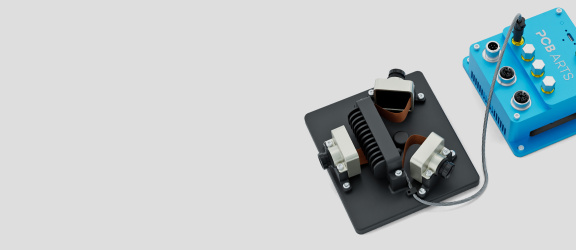
Le IDS GMSL2 Discovery Kit est un projet d'innovation pour l'évaluation de systèmes de vision embarquée modernes. La plateforme préconfigurée associe des modules de caméra intelligents intégrant un ISP et un SoC, la technologie GMSL2 ainsi qu’un PC embarqué basé sur un NVIDIA Jetson Orin NX.
Ce kit constitue un point de départ idéal pour les projets de développement de vision embarquée personnalisés et est mis à disposition des entreprises intéressées sous forme de kit de prêt, accompagné d’un support technique.
Développé pour les systèmes de vision embarquée modernes
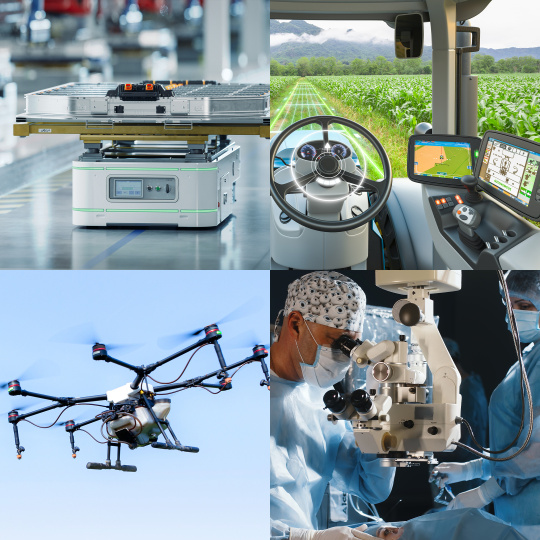
Le traitement d’image moderne ne s’arrête plus depuis longtemps à la caméra. Les systèmes robotiques, les machines mobiles, les véhicules à guidage automatique (AGV), la technologie médicale ou les systèmes autonomes nécessitent aujourd'hui :
- plusieurs caméras dans un seul système
- des systèmes de calcul embarqué haute performance
- une faible latence et une synchronisation précise des caméras
- un câblage robuste (possible jusqu'à 15 m avec GMSL)
- une intégration flexible dans des appareils compacts
Le kit IDS GMSL2 Discovery a été développé pour évaluer rapidement et facilement ce type d’architectures système.
Plug-and-play plutôt que des efforts d’intégration
- Visualiser l’image en direct
- Traiter les données d'image avec Python et OpenCV
- Fournir directement des flux RTSP
- Évaluer au lieu d'intégrer : préconfiguré
- Transmettre des données d’image synchronisées de jusqu’à trois modules de caméra via un seul câble.

Qu'est-ce que GMSL ?
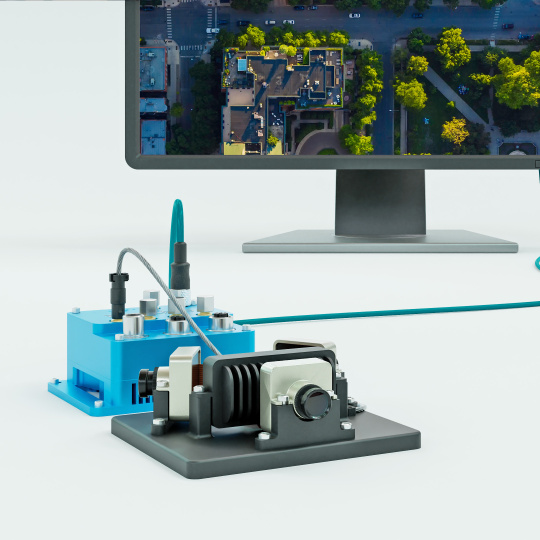
GMSL signifie Gigabit Multimedia Serial Link et a été initialement développé pour des applications automobiles exigeantes. L’interface assure la transmission des données d’image, des informations de contrôle, des signaux de synchronisation et de l’alimentation électrique au moyen d’un câble compact. Dans le concept Dual-Head du IDS Discovery Kit, les données des deux modules de caméra sont acheminées vers le PC embarqué par un unique câble GMSL2.
MIPI et GMSL dans le IDS Discovery Kit
Le meilleur des deux mondes
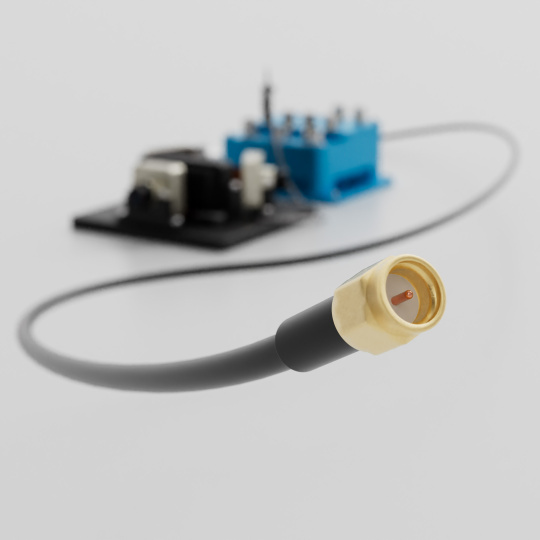
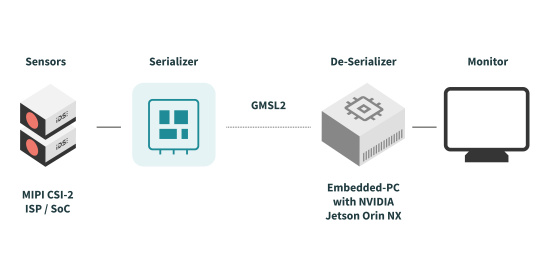
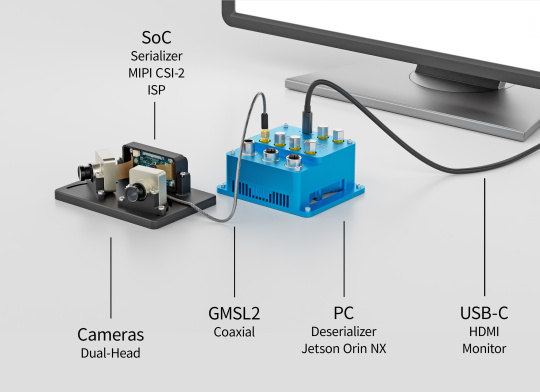
Dans le IDS GMSL2 Discovery Kit, les deux interfaces se complètent : Le capteur d'image transmet les données au sein du module caméra via MIPI CSI-2 à l'ISP et au SoC. Les données sont ensuite converties par un sérialiseur pour être transmises via GMSL2. Côté PC embarqué, un désérialiseur met les données à disposition pour leur traitement sur le NVIDIA Jetson Orin NX.
Ainsi, MIPI reste l'interface de capteur interne performante, tandis que GMSL2 permet de plus grandes distances, un câblage robuste et un positionnement flexible de plusieurs modules caméra.
Critère |
MIPI CSI-2 |
GMSL2 |
|---|---|---|
Utilisation typique |
Connexion du capteur d'image et du SoC au sein d'un appareil |
Connexion de la caméra et du PC embarqué sur de plus grandes distances |
Point fort principal |
Haute performance avec une intégration très compacte |
Longue portée et transmission de données robuste jusqu'à 6 Gbit/s |
Distance |
Typiquement quelques centimètres à environ 30 cm |
Jusqu'à 15 m |
Câblage |
Connexion directe du capteur |
Données d'image, contrôle, synchronisation et alimentation via un seul câble |
Resistance aux interférences |
Optimisé pour les connexions courtes |
Grande robustesse CEM, développée pour les applications automobiles. |
Applications typiques |
Modules de caméra, appareils embarqués, intégration de capteurs |
Robotique, machines mobiles, AGV, Technologie médicale, systèmes multi-caméra |

Le IDS GMSL2 Discovery Kit
Tout est inclus, prêt à l'emploi :
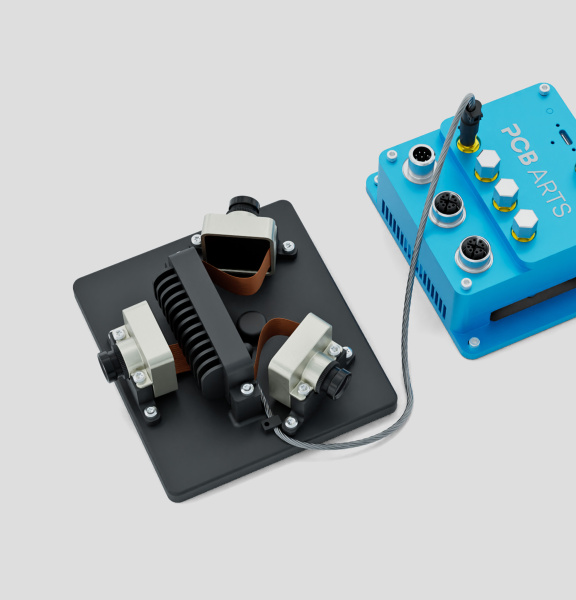
Le kit combine matériel et logiciel ainsi que tous les accessoires nécessaires en un seul système.
Composants essentiels :
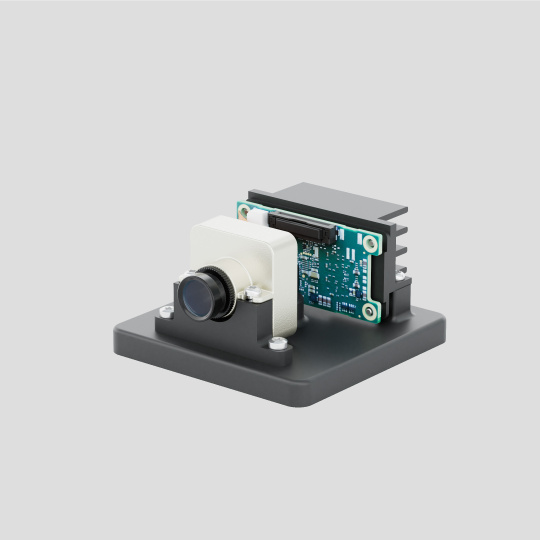
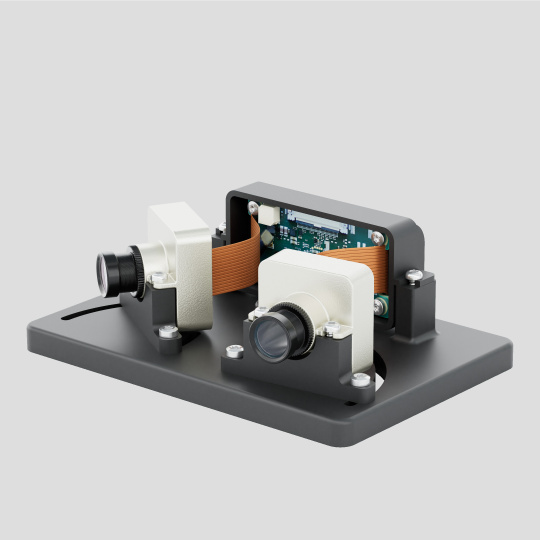
Modules de caméra intelligentes
- Capteur onsemi AR0233, Full HD (1920 × 1080)
- 30 ips
- HDR
- Atténuation du scintillement des LED (LED Flicker Mitigation) pour des images plus stables en présence de sources lumineuses LED pulsées.
- Objectifs S-Mount pré-assemblés pour un démarrage rapide de l'évaluation
- Optimisation d'image dans l'ISP intégré
- Version à caméra unique ou double caméra avec une seule connexion GMSL2 vers le PC embarqué
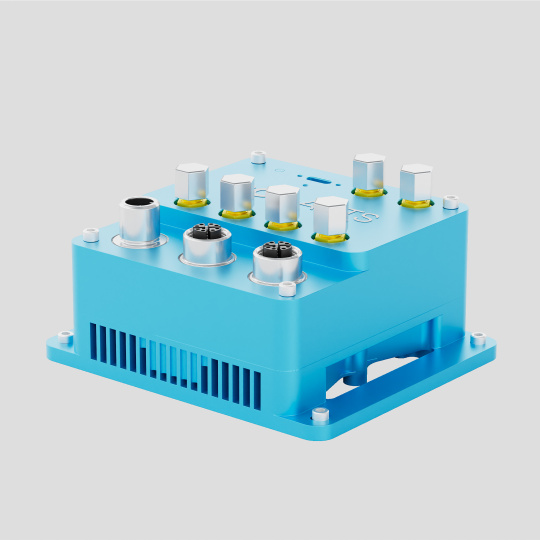
PC embarqué
- PCB Arts Helium - Ordinateur Edge AI basé sur NVIDIA Jetson Orin NX
- Entrées GMSL
- Ethernet, USB pour l'intégration véhicule, industrielle et backend
- Linux, support V4L (Video4Linux)
- Logiciel d'exemple inclus
Prêt à l'emploi
Les développeurs peuvent commencer immédiatement leurs premiers tests et applications.
Afficher l'image en direct
Afficher directement les données d'image d'une caméra GMSL connectée sur un moniteur. Idéal pour une évaluation rapide de la qualité d'image, du HDR et des fonctions ISP. Aucune configuration supplémentaire requise.
Utiliser Python & OpenCV
Utiliser immédiatement les images de caméra dans des applications Python et OpenCV. Cette solution permet de développer et de tester des prototypes de vision industrielle et d’IA, sans aucune intégration supplémentaire.
Fournir des flux RTSP
Rendre les données d'image disponibles sur le réseau via un flux RTSP et les intégrer dans des applications existantes ou des systèmes backend. Idéal pour les scénarios de streaming et de surveillance à distance.

ISP et SoC pour les modules caméra
Division du travail pour des systèmes de vision plus efficaces
L’ISP et le SoC prennent en charge des fonctions essentielles directement au sein du module caméra. Le SoC (System-on-a-Chip) regroupe les données d’image pour la transmission synchronisée de plusieurs capteurs MIPI via une unique liaison GMSL2 vers le PC embarqué.
L'ISP (Image Signal Processor) intégré optimise les données d'image pour chaque capteur d'image connecté. Des fonctions telles que le traitement HDR, le traitement des couleurs ou l'atténuation du scintillement des LED sont exécutées avant la transmission.
Avantage n°1 :
Plusieurs caméras via un seul câble
- Jusqu'à trois modules de caméra via une connexion GMSL2
- Données d'image synchronisées
- Réduction du câblage
Avantage n°2 :
Puissance de calcul pour le traitement local
- ISP pour l’optimisation des images en temps réel
- SoC pour le traitement local
- Pipelines personnalisées possibles
Avantage n°3 :
Plus de puissance pour l'application
- Décharge du PC embarqué
- Réduction des besoins matériels et des coûts
- Concentration sur la vision par ordinateur et l'IA
Applications typiques
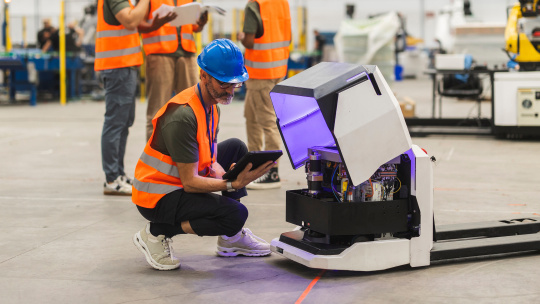
Robotique et systèmes autonomes
Pour les robots mobiles, les robots mobiles autonomes (AMR), les AGV, les véhicules autonomes. Idéal pour les applications nécessitant la synchronisation de plusieurs caméras et des temps de latence très faibles.
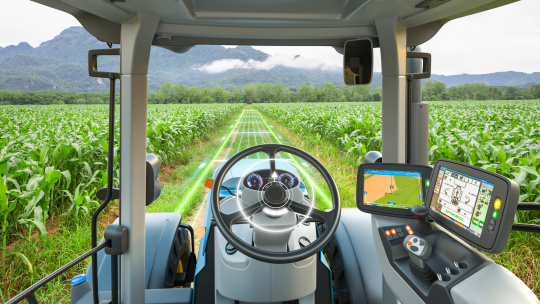
Machines mobiles et agriculture intelligente
Pour les machines agricoles autonomes, les engins de chantier et autres systèmes mobiles intégrant des capteurs et des unités de traitement séparés. GMSL2 simplifie ici le câblage et permet de plus grandes distances entre la caméra et le PC embarqué.
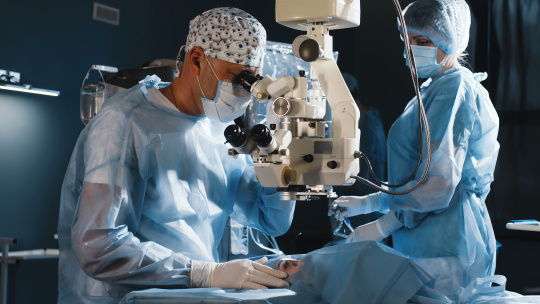
Technologie médicale & sciences de la vie
Pour les appareils d’analyse, l’imagerie mobile et d’autres systèmes compacts dans lesquels des ordinateurs embarqués performants et plusieurs caméras doivent fonctionner de concert dans un espace d’intégration limité.
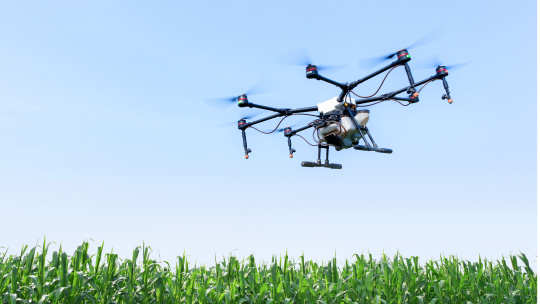
Drones & aéronautique
Pour les applications ayant des exigences élevées en matière de poids, de câblage, de robustesse et de temps réel.
Systèmes OEM embarqués
Pour les fabricants d’équipements et de machines sur mesure souhaitant intégrer des fonctions de vision avancées dans leurs propres produits et disposer d’une plateforme d’évaluation rapide.
Du Discovery Kit au produit de série
Après une évaluation réussie, le Discovery Kit peut servir de base technique pour un système de vision embarqué personnalisé. IDS accompagne la conception et la mise en œuvre ultérieures dans le cadre de solutions et services personnalisés.